How Shockwave Therapy is Changing Musculoskeletal Care in Adelaide’ Clinics, Costs, and Outcomes
Once considered a niche treatment reserved for stubborn tendon issues, shockwave therapy has now become a frontline intervention for a broad spectrum of musculoskeletal disorders — from plantar fasciitis and Achilles tendinopathy to shoulder calcifications and chronic back pain. In recent years, non-invasive shockwave therapy has emerged as a transformative solution in musculoskeletal care, reshaping how injuries and chronic pain conditions are treated in Adelaide.
The appeal lies in its effectiveness, safety, and minimal downtime. For patients seeking alternatives to surgery or prolonged medication, shockwave therapy offers a clinically proven pathway to faster healing and sustained relief. Adelaide’s physiotherapy and sports medicine clinics are at the forefront of this shift, integrating cutting-edge technologies to deliver targeted, results-driven care.
The Science Behind Non-Invasive Shockwave Therapy
At its core, non-invasive shockwave therapy uses acoustic energy waves to stimulate the body’s natural healing response. These high-energy pulses penetrate deep into soft tissues, breaking down calcifications, increasing blood circulation, and triggering the regeneration of damaged cells.
Unlike traditional approaches, which may rely on anti-inflammatory drugs, corticosteroid injections, or even surgery, shockwave therapy addresses the root cause of the injury. It activates cellular repair processes, accelerates collagen production, and enhances tissue regeneration without the risks associated with invasive treatments.
Clinical studies consistently show significant improvements in pain reduction, mobility, and function after just a few sessions. In many cases, patients report noticeable relief after the first or second treatment, with results continuing to improve over subsequent weeks.
Conditions Commonly Treated with Shockwave Therapy
The versatility of non-invasive shockwave therapy is one of its greatest strengths. It is now widely used across Adelaide clinics for a diverse range of musculoskeletal issues, including:
Plantar Fasciitis and Heel Spurs: Often resistant to conventional treatments, these conditions respond well to shockwave therapy, which promotes tissue healing and reduces chronic inflammation.
Tendinopathies, such as tennis elbow, jumper’s knee, and Achilles tendinopathy, benefit from increased blood flow and collagen stimulation.
Calcific Shoulder Tendinitis: Shockwaves help break down calcium deposits, improving shoulder mobility and reducing pain.
Chronic Back and Hip Pain: By improving tissue elasticity and circulation, shockwave therapy alleviates persistent discomfort and enhances the range of motion.
Myofascial Trigger Points: It is also effective in releasing muscle knots and relieving tension associated with chronic pain syndromes.
This broad therapeutic range means patients no longer have to rely solely on long-term medication or face the uncertainties of surgery.
What to Expect: Treatment Process and Outcomes
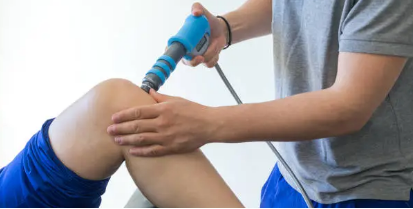
A typical non-invasive shockwave therapy session lasts 15-30 minutes. The physiotherapist or clinician applies a handheld device to the affected area, delivering controlled pulses that penetrate the tissue. Most patients describe the sensation as mildly uncomfortable but tolerable, and no anaesthesia or downtime is required.
Treatment plans typically consist of 3 to 6 sessions, spaced approximately one week apart, although this can vary depending on the condition and its severity. Results often become evident within a few weeks, with maximum benefits appearing after the body’s regenerative processes have fully taken effect.
Clinical outcomes reported in Adelaide align with global data:
Pain reduction: Up to 80% of patients experience significant pain relief.
Improved mobility: Enhanced joint function and flexibility are commonly observed.
Faster recovery: Healing times are often shorter than with conventional treatments.
Moreover, the treatment’s cumulative effect means that improvements often continue even after the final session, thanks to the ongoing cellular repair processes triggered by the therapy.
Clinics in Adelaide Leading the Way
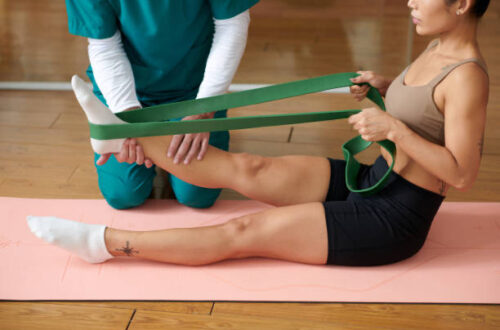
A growing number of physiotherapy and sports medicine centres across Adelaide are investing in non-invasive shockwave therapy as part of their advanced care programs. Many clinics now integrate it with complementary treatments — such as exercise rehabilitation, manual therapy, and dry needling — for a comprehensive and personalised approach.
Conclusion:
Non-invasive shockwave therapy is more than just a new treatment option—it represents a paradigm shift in how musculoskeletal conditions are managed in Adelaide and beyond. With its proven effectiveness, minimal downtime, and broad applicability, it is quickly becoming the go-to solution for patients seeking lasting relief and significantly improved mobility.
Whether you’re an athlete recovering from a sports injury or someone struggling with chronic tendon pain, exploring shockwave therapy could be the key to unlocking a faster, more sustainable recovery — and a pain-free future.