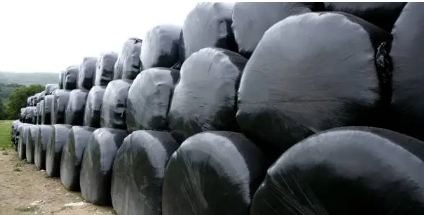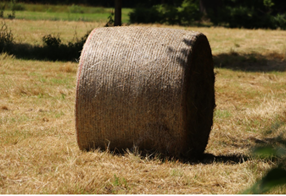
Net Wrap Australia’ Road Train Transit Stability for Inland Freight Corridors
Moving round hay bales across Australian inland freight routes demands more than careful stacking. Net wrap Australia products help maintain bale shape and contain fodder, but the wrap itself is not a substitute for a compliant load restraint system. On long road train journeys along the Sturt and Newell Highways, braking, cornering, acceleration and uneven pavement can place substantial forces on multi-tier bale loads. The National Heavy Vehicle Regulator (NHVR) requires heavy vehicle loads to be restrained so they remain secure and do not compromise vehicle stability.
Why Bale Condition Matters During Road Train Transit
Round bales can change shape when their outer binding is damaged, loose or poorly applied. The NHVR identifies bale condition, density, shape, moisture, centre of gravity and loading arrangement as factors that can affect transport stability.
A high-quality net wrap product from Australia with consistent coverage can help hold the bale surface together during handling. Full-width coverage is particularly useful because gaps or exposed edges can leave sections more vulnerable to fraying, snagging and deformation before the bale reaches the truck.
However, net wrap should be viewed as bale containment, not road-vehicle restraint. The straps, blocking, gates, headboards and other components of the transport system must provide the required restraint.
NHVR Load Restraint Expectations for Hay Bales
The NHVR loading performance standards require restraint systems to withstand forces associated with normal heavy-vehicle movement. These include:
● 0.8g forward
● 0.5g rearward
● 0.5g sideways
● 0.2g upward where friction or limited vertical movement is relied upon.
The exact restraint arrangement depends on the vehicle, load, bale condition and loading configuration. The NHVR specifically advises that round bales may require multiple lashings and that additional half-high lashings can improve stability on high loads.
Full-Width Coverage Supports Bale Integrity
When selecting net wrap Australia highway transit load stability solutions, operators should consider how consistently the mesh covers the bale from edge to edge. Uniform coverage can reduce exposed sections that are more susceptible to abrasion during loading, unloading, and bale-to-bale contact.
A secure bale surface also helps maintain the compact shape created during baling. This matters when several tiers are stacked, because deformation in lower bales can affect how evenly the upper rows sit.
Building a Stable Multi-Tier Bale Load
The NHVR recommends keeping hay loads low, long and wide where practical and placing round bales flat side down to reduce movement. Blocking against suitable vehicle structures can further reduce forward, rearward and sideways movement.
For road train operators, practical checks include:
● Inspecting every bale for damaged or deteriorated netting.
● Confirming bales are positioned consistently.
● Using rated restraint equipment appropriate to the load.
● Fully tensioning lashings and checking them during the journey.
● Considering half-high lashings for high round-bale stacks.
● Using diagonal bracing at the front and rear where appropriate.
● Keeping the centre of gravity as low as practical.
The NHVR also recommends stopping to inspect loads during a trip, particularly where settling may reduce lashing tension.
Net Wrap Is Only One Part of Transit Stability
A strong baling net product from Australia can protect bale integrity, but compliance depends on the complete restraint system. The NHVR states that Australian heavy vehicle loading rules focus on outcomes rather than prescribing a single restraint method for every load.
For freight moving through inland corridors, combining consistent bale wrapping with correct loading, blocking and restraint procedures provides a more controlled approach to long-distance transport.
Conclusion
Reliable bale transport starts before the road train leaves the farm. Consistent net wrap Australia coverage helps protect bale shape and reduce damage, while correctly designed restraint systems address the forces generated during braking, cornering and acceleration. For Sturt and Newell Highway freight, inspect the bale condition, loading pattern and restraint equipment before departure and throughout the journey.
For dependable hay transport, choose net wrap designed for consistent full-width coverage and pair it with a load restraint system appropriate to your vehicle and bale configuration. Always consult the current NHVR guidance or a qualified load restraint engineer when the arrangement is uncertain.
—
FAQs
1. Does net wrap replace load restraints on a road train?
No. Net wrap holds the bale together, while the vehicle’s load restraint system must prevent unacceptable movement or dislodgement during transport.
2. What forces must a heavy vehicle load restraint system withstand?
The NHVR performance standards specify 0.8g forward, 0.5g rearward and sideways, and 0.2g upward where friction or limited vertical movement is relied upon.
3. How should round hay bales be positioned?
The NHVR recommends stacking round bales with the flat side down to improve stability and reduce movement.
4. Can damaged netting affect bale transport?
Yes. Damaged or deteriorated wrapping can contribute to loss of bale shape or containment. The NHVR identifies bale condition and wrapping deterioration as factors to consider when transporting hay.
5. Does the NHVR require one specific restraint method for hay?
No. Australian heavy vehicle loading requirements establish the outcome the restraint system must achieve, allowing appropriate methods to be selected for the particular load and vehicle.