Farming
-
Baling Twine Australia’ Performance in High-Altitude and Cool-Climate Haymaking
Haymaking in Australia’s cooler, higher-altitude regions can place additional demands on baling equipment and materials. Sub-zero mornings, heavy frost and damp spring conditions can affect how baling twine Australia performs during the critical stages of knotting and bale formation. Twine that feels flexible during warmer conditions may become noticeably stiffer when temperatures drop, while moisture can influence knot formation and handling. For producers and contractors working in Tasmania, Victoria’s alpine areas, the Southern Tablelands, and other cool regions, choosing suitable twine and adjusting baler settings can help maintain reliable bale production under less-forgiving conditions. How Cold Temperatures Affect Baling Twine Polypropylene twine can become less flexible as temperatures fall. During…
-
Silage Wrap’ Choosing Film for Coastal vs. Inland Australian Climates
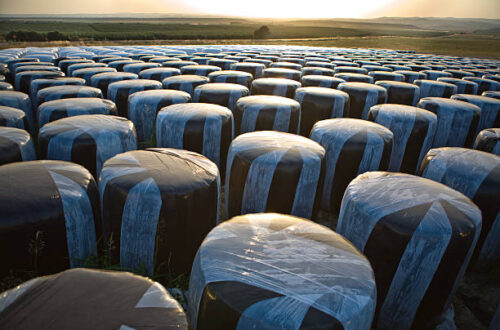
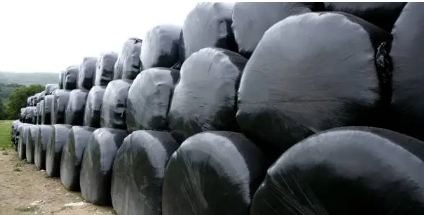
Producing quality fodder in Australia requires more than harvesting at the right moisture level. The material used to seal each bale can significantly affect how well it is protected during storage. Choosing the right silage wrap film means considering local weather, handling conditions and the risk of punctures or seal failure. Coastal farms may face humid, salty, and windy conditions, while inland producers often contend with intense sunlight, dry heat, and large temperature fluctuations. Understanding these differences helps farmers choose a suitable film and support reliable fodder preservation from the paddock through to feeding. Why Climate Matters When Choosing Silage Film Silage depends on creating and maintaining an oxygen-limited environment…
-
Net Wrap Australia’ Road Train Transit Stability for Inland Freight Corridors
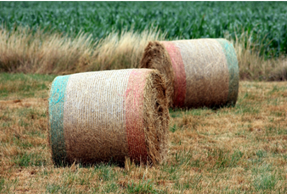
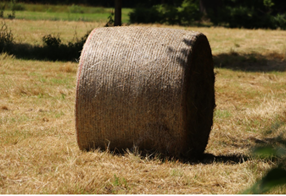
Moving round hay bales across Australian inland freight routes demands more than careful stacking. Net wrap Australia products help maintain bale shape and contain fodder, but the wrap itself is not a substitute for a compliant load restraint system. On long road train journeys along the Sturt and Newell Highways, braking, cornering, acceleration and uneven pavement can place substantial forces on multi-tier bale loads. The National Heavy Vehicle Regulator (NHVR) requires heavy vehicle loads to be restrained so they remain secure and do not compromise vehicle stability. Why Bale Condition Matters During Road Train Transit Round bales can change shape when their outer binding is damaged, loose or poorly applied.…
-
Pallet Freezer Spacers’ How Australian Cold Chain Warehouses Improve Efficiency and Reduce Energy Costs
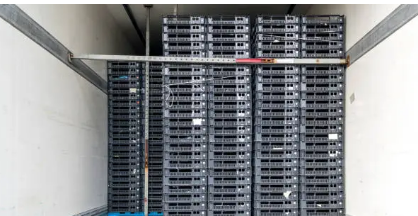
Australia’s cold chain logistics industry faces constant pressure to maintain strict temperature control while reducing operating costs, particularly in large-scale frozen food storage and distribution facilities. One of the most overlooked yet highly effective tools in this environment is the use of efficient pallet freezer spacers. These simple structural aids play a critical role in ensuring consistent airflow, reducing frost buildup, and improving freezer energy efficiency across warehouses in Sydney, Melbourne, Brisbane, and regional distribution hubs. In modern Australian cold storage operations, efficient pallet freezer spacers are increasingly adopted as standard practice rather than optional accessories. They help maintain separation between pallet loads, allowing cold air to circulate evenly and…
-
Silage Wrap’ Choosing the Best Option for Australian Farms
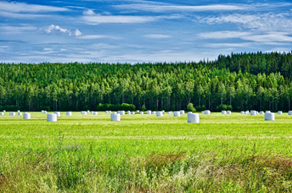
Silage wrap plays a crucial role in preserving high-quality feed on Australian farms. For farmers across the country, selecting the right silage wrap can mean the difference between well-preserved, nutritious silage and significant feed losses. With Australia’s diverse climate—from the humid subtropics of Queensland to the dry conditions of South Australia—choosing a wrap that can withstand local environmental challenges is essential for maintaining the integrity of stored silage. Properly wrapped silage ensures that livestock receive consistent, high-quality feed year-round, ultimately supporting farm productivity and profitability. Understanding Silage Wrap and Its Benefits Silage wrap is a specialised plastic film used to cover silage bales, creating an airtight seal that promotes proper…
-
Stockinette Bags’ Essential Packaging Solutions for Adelaide’s Agricultural and Industrial Sectors
Stockinette bags have become an indispensable tool for Adelaide’s agricultural and industrial sectors, offering practical, cost-effective, and environmentally conscious solutions for packaging and transporting goods. Known for their durability, flexibility, and breathability, stockinette bags are widely used by local farmers, horticulturists, and manufacturers to store produce and raw materials efficiently while reducing damage during handling. In Adelaide, where agriculture plays a crucial role in the regional economy, these bags provide an ideal way to maintain the quality of fresh fruits, vegetables, and other commodities while meeting strict Australian food safety and quality standards. Advantages of Stockinette Bags in Adelaide Agriculture Adelaide’s diverse agricultural landscape, from the fertile Barossa Valley vineyards…
-
Bale Wrap Successful Bale Wrap Use in Different Australian Regions
In the diverse agricultural landscape of Australia, bale wrap Australia has become an indispensable tool for farmers aiming to maximise forage quality and reduce waste. The term bale wrap Australia resonates strongly within the farming community, especially as climatic conditions and regional practices vary dramatically across the country. This case study explores how bale wrap has been successfully utilised in different Australian regions, highlighting specific challenges and benefits unique to each area. Understanding Bale Wrap’s Role in Australian Farming Bale wrap is a specialised plastic film used to encase hay or silage bales, sealing in moisture and nutrients while protecting the forage from spoilage. In Australia, where weather extremes…
-
Silage Film How Climate Variability in Australia Affects Its Performance
Silage film plays a crucial role in preserving fodder quality for Australian farmers, ensuring livestock feed remains fresh and nutritious throughout the year. However, the unique and often unpredictable climate variability experienced across Australia’s diverse regions significantly influences how effectively silage film performs. Understanding these climatic impacts can help farmers optimise silage preservation techniques, reduce waste, and improve feed efficiency. Australia’s Climate Variability: An Overview Australia is known for its extreme and highly variable climate, ranging from tropical conditions in the north to temperate zones in the south. Frequent droughts, intense heatwaves, sudden heavy rainfall, and strong winds are all part of the climate challenges faced by farmers. This…
-
Stockinette Bags: Sustainable Packaging Solutions for Produce, Retail, and Beyond
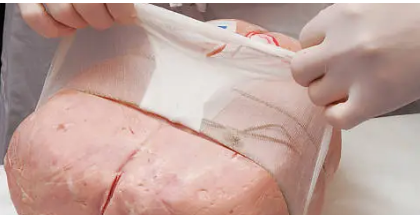
As sustainability becomes a core focus for both businesses and consumers, packaging choices are undergoing a significant transformation. In Australia, custom stockinette bags have emerged as a versatile and eco-friendly option, particularly for industries seeking to balance practicality with environmental responsibility. From fresh produce markets to retail displays and specialty packaging, these bags offer durability, breathability, and brand customisation opportunities that set them apart from conventional packaging. Understanding Custom Stockinette Bags Custom stockinette bags are knitted, stretchable bags made from cotton or other natural fibres, often tailored to specific sizes, colours, and branding needs. Their knitted structure allows for flexibility, making them ideal for holding irregularly shaped products without…
-
Net Replacement Film: A Vital Solution for Australian Agricultural Needs
Agriculture plays a significant role in Australia’s economy, particularly in the production of fruit, vegetables, and crops. To ensure these products thrive in various climates and weather conditions, farmers have long relied on protective solutions like shade netting and crop covers. However, over time, these nets can wear down due to exposure to harsh environmental factors. In such cases, net replacement film provides an essential solution. For high-quality net replacement film, check this out. What is Net Replacement Film? Net replacement film is a specialised agricultural material designed to replace traditional shade nets and crop covers. It is a durable, high-performance film that offers excellent protection against environmental stressors like…