Silage Wrap’ Choosing the Best Option for Australian Farms
Silage wrap plays a crucial role in preserving high-quality feed on Australian farms. For farmers across the country, selecting the right silage wrap can mean the difference between well-preserved, nutritious silage and significant feed losses. With Australia’s diverse climate—from the humid subtropics of Queensland to the dry conditions of South Australia—choosing a wrap that can withstand local environmental challenges is essential for maintaining the integrity of stored silage. Properly wrapped silage ensures that livestock receive consistent, high-quality feed year-round, ultimately supporting farm productivity and profitability.
Understanding Silage Wrap and Its Benefits
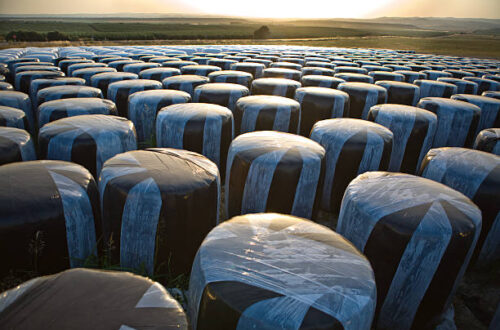
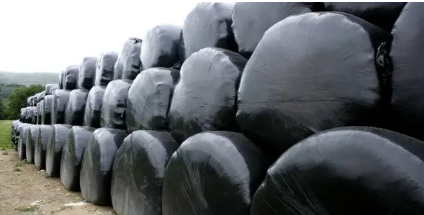
Silage wrap is a specialised plastic film used to cover silage bales, creating an airtight seal that promotes proper fermentation. This prevents spoilage, preserves nutrients, and reduces the growth of mould and bacteria. Australian farmers rely on silage wrap not only for storing hay, maize, or pasture crops but also for maintaining livestock health and productivity. When applied correctly, high-quality wrap can extend silage shelf life by up to 12 months, making it a critical investment for efficient farm management.
The benefits of using silage wrap in Australia go beyond simple storage. It allows farmers to prepare feed during peak harvest periods and store it safely for the drier or off-season months. This flexibility is particularly important in regions with unpredictable rainfall or seasonal feed shortages, ensuring that livestock have access to nutritious feed year-round.
Types of Silage Wrap for Australian Conditions
Several types of silage wrap are available to suit Australian farms, each designed to meet different storage needs and climate conditions. A single-layer wrap is often used for short-term storage or small-scale operations. However, a multi-layer wrap offers enhanced UV protection, puncture resistance, and longer-lasting preservation.
In regions with intense sunlight, such as Western Australia or northern Queensland, UV-resistant wrap is essential to prevent degradation from prolonged sun exposure. Meanwhile, farmers in wetter areas, such as northern New South Wales and coastal Victoria, prioritise moisture resistance and strong adhesion to maintain the airtight seal. Some wraps are also designed with extra elasticity, allowing them to stretch and conform tightly around bales, reducing oxygen infiltration and further improving silage quality.
Key Factors to Consider When Choosing Silage Wrap
1. UV Resistance: The Australian sun can be harsh, and exposure can weaken some wraps over time. UV-stabilised wrap ensures durability and protects silage even when stored outdoors.
2. Puncture Resistance: Bales can shift during handling, and machinery can accidentally damage wraps. A puncture-resistant film reduces the risk of air entering the silage, which can compromise fermentation.
3. Film Thickness and Layers: Thicker, multi-layer wraps generally offer superior protection and longevity. For long-term storage, a thickness of 250–300 microns with multiple layers is often recommended.
4. Ease of Application: Farm size and available machinery influence the choice of wrap. Modern wraps are stretchable and adhere securely without extra adhesives, making them easier to use and reducing labour time.
5. Environmental Considerations: Many Australian farmers are exploring recyclable or degradable silage wrap options. While traditional wrap offers maximum durability, eco-friendly alternatives help reduce farm waste and align with evolving sustainability regulations.
Best Practices for Using Silage Wrap on Australian Farms
Even the best silage wrap can fail if not applied correctly. Australian farmers should follow these tips to ensure optimal feed preservation:
● Proper Bale Preparation: Ensure bales are dry and free from debris before wrapping. Wet or contaminated bales can accelerate spoilage and reduce nutrient quality.
● Consistent Wrapping Technique: Apply wrap evenly, overlapping edges by at least 50mm to create a fully airtight seal. Multiple layers improve fermentation and protection.
● Storage Location: Store wrapped bales on well-drained surfaces to avoid water pooling and potential punctures. Elevating bales on pallets or well-prepared ground helps extend storage life.
● Regular Monitoring: Periodically check bales for tears or holes, especially after storms or high winds. Repair damaged areas promptly to maintain airtight conditions.
Silage Wrap Suppliers in Australia
Australia has a range of local suppliers offering high-quality silage wrap suitable for farms of all sizes and climates. Companies based in New South Wales, Victoria, Queensland, and South Australia offer both bulk rolls for large operations and smaller rolls for hobby farms. Many suppliers also provide technical guidance on selecting the right wrap based on crop type, bale size, and storage duration. This advice helps farmers maximise efficiency, reduce feed wastage, and make informed decisions on long-term farm management strategies.
Conclusion
Investing in the right silage wrap is critical for Australian farmers seeking to maintain high-quality livestock feed and reduce waste. By considering local climate conditions, storage requirements, and environmental factors, farmers can select a wrap that provides reliable performance year-round. When applied correctly, silage wrap ensures that valuable feed remains nutritious, safe, and ready for livestock consumption. For farms across Australia, this simple yet essential tool plays a vital role in supporting overall farm productivity, efficiency, and profitability.