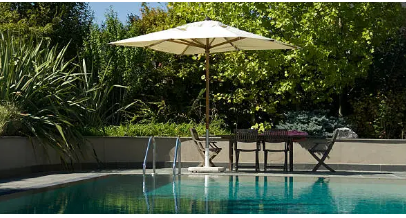
Choosing the Ideal Outdoor Umbrella in New Zealand’ Balancing Style, Durability, and Weather Protection
Investing in an outdoor umbrella is more than just adding shade to your backyard or patio—it is about creating a comfortable and stylish outdoor environment that withstands New Zealand’s unique climate conditions. With a wide array of designs, materials, and functional features, selecting the right outdoor umbrella requires careful consideration to strike a balance between aesthetics, durability, and weather protection.
Understanding New Zealand’s Climate and Its Impact
New Zealand experiences a diverse range of weather patterns, including intense sunlight, frequent rainfall, and strong coastal winds. These conditions require an outdoor umbrella, critical for both safety and longevity. A poorly chosen umbrella may fade quickly, suffer structural damage, or fail to provide adequate shelter. When shopping for an outdoor umbrella, it’s essential to consider materials that resist UV rays, water damage, and wind stress. For example, polyester or solution-dyed acrylic fabrics are excellent for UV protection, while powder-coated aluminium or marine-grade steel frames offer superior rust and corrosion resistance.
Materials Matter: Choosing the Right Fabric and Frame
The material of an outdoor umbrella directly influences its performance and lifespan. Fabric options typically include polyester, acrylic, and olefin, each with distinct advantages. Polyester is a cost-effective, widely available material with decent UV resistance. Acrylic fabrics, however, are known for their colourfastness and resistance to mildew, making them ideal for high-sunlight areas in Auckland or Wellington. Olefin fabric offers strong water repellency, making it ideal for areas with frequent rainfall, such as the West Coast.
Frame construction is equally important. Aluminium frames are lightweight yet strong, resisting corrosion from coastal salt air. Wooden frames, such as those made from teak or eucalyptus, offer a classic aesthetic but require regular maintenance to prevent weathering. Fibreglass frames are flexible, allowing them to withstand gusty winds without bending or breaking. By choosing the right combination of fabric and frame, homeowners can enjoy both style and practicality.
Size and Shape: Matching Your Outdoor Space
Outdoor umbrellas come in various sizes and shapes, including round, square, and rectangular designs. Selecting the correct size ensures adequate coverage and prevents overcrowding your patio or deck. For instance, a 3-meter round umbrella is suitable for a standard dining table, while larger rectangular umbrellas may be necessary for poolside lounge areas. Cantilever or offset umbrellas provide the advantage of flexible positioning, allowing you to adjust the shade without interfering with table placement or foot traffic.
Shape also affects wind resistance. Round umbrellas tend to distribute wind pressure evenly, whereas square umbrellas might require additional anchoring in exposed areas. Understanding the dimensions and layout of your outdoor space helps ensure both comfort and stability.
Functionality and Features: Beyond Basic Shade
Modern outdoor umbrellas offer more than simple sun protection. Features such as tilt mechanisms, crank handles, and rotating heads provide flexibility in adjusting shade throughout the day. Tilt and rotation functions are particularly valuable in New Zealand, where the sun angle changes rapidly across seasons. Some umbrellas also feature integrated venting, allowing wind to pass through the canopy and reducing the risk of tipping over.
UV-rated fabrics and water-repellent coatings are crucial for maintaining safety and comfort. Advanced outdoor umbrellas may include optional LED lighting, solar-powered lights, or even integrated heaters, transforming your garden or patio into a versatile outdoor living space that can be enjoyed year-round.
Stability and Safety Considerations
A robust base is essential to prevent accidents and damage. Outdoor umbrellas can topple in strong gusts if not adequately secured. Weighted bases made of concrete, steel, or resin-filled materials provide the stability needed for larger umbrellas. For cantilever models, cross bases with additional ballast are recommended to counterbalance extended arms.
In coastal regions, where sudden gusts are common, consider umbrellas with wind vents or collapsible designs that can be quickly retracted. Safety and durability go hand in hand, ensuring your outdoor investment lasts for years without compromising your family and guests’ well-being.
Conclusion:
Choosing the ideal outdoor umbrella in New Zealand involves balancing style, durability, and weather protection. Understanding local climate conditions, selecting quality materials, considering size and shape, and evaluating additional features all contribute to a wise investment. By prioritising stability, functionality, and aesthetic appeal, homeowners can enjoy a comfortable, stylish outdoor space that enhances their lifestyle while standing up to New Zealand’s weather.

