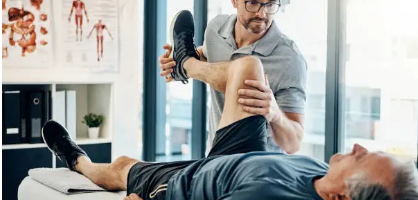
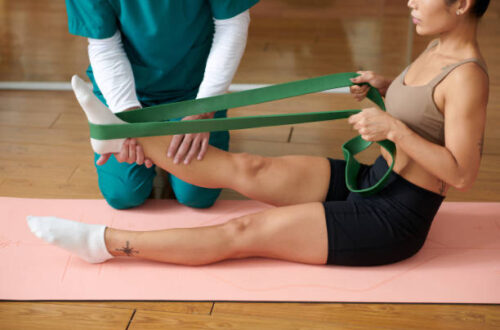
Physio in West Lakes’ Physiotherapy Taping Techniques for Injury Support
When recovering from injury or managing ongoing musculoskeletal conditions, taping techniques are a valuable tool used by professionals offering physio in West Lakes. These techniques provide external support, reduce pain, and improve movement patterns, making them a staple in modern physiotherapy practice across West Lakes, SA. Whether you’re an athlete or someone dealing with everyday strain, understanding how taping works can help you maximise recovery and prevent further injury.
What Is Physiotherapy Taping?
Physiotherapy taping involves applying specialised adhesive tapes to the skin to support muscles, joints, and ligaments. Unlike rigid bracing, taping allows for controlled movement while stabilising the affected area. Clinics providing physio in West Lakes often incorporate taping as part of a broader treatment plan that includes exercise therapy, manual therapy, and patient education.
There are several types of taping used in physiotherapy, each with a specific purpose depending on the injury and desired outcome.
Types of Taping Techniques
1. Rigid Sports Taping
Rigid taping uses non-elastic tape to restrict joint movement. It is commonly applied for acute injuries such as ankle sprains or ligament instability. By limiting excessive motion, rigid taping helps protect the injured structure during healing.
In West Lakes’ active community, rigid taping is commonly used for sports such as football, netball, and basketball. A physio in West Lakes may apply this technique before training or competition to reduce the risk of re-injury.
2. Kinesiology Taping
Kinesiology tape is elastic and mimics the properties of human skin. It allows a full range of motion while providing subtle support and sensory feedback. This technique is widely used for muscle strains, swelling, and postural correction.
Kinesiology taping works by lifting the skin slightly, which can improve blood flow and lymphatic drainage. Many patients seeking physio in West Lakes benefit from this approach, especially for conditions like shoulder pain, knee issues, or lower back discomfort.
3. McConnell Taping
McConnell taping is a more rigid and targeted technique often used for joint alignment issues, particularly in the knee and shoulder. It focuses on correcting biomechanical positioning to reduce pain and improve function.
For example, individuals with patellofemoral pain syndrome may receive McConnell taping to guide the kneecap into proper alignment during movement. This technique is commonly utilised by a physio in West Lakes to address chronic joint problems.
Benefits of Physiotherapy Taping
Taping offers a range of benefits that make it an effective adjunct to rehabilitation:
● Pain Reduction: By offloading stressed tissues, taping can alleviate discomfort during movement.
● Injury Prevention: Athletes often use taping proactively to support vulnerable joints.
● Improved Proprioception: Taping enhances body awareness, helping patients move more safely.
● Support Without Restriction: Especially with kinesiology tape, patients can maintain mobility while receiving support.
In West Lakes, where active lifestyles are common, these benefits are particularly valuable for maintaining participation in sport and daily activities.
Common Conditions Treated with Taping
Physiotherapy taping techniques are versatile and can be applied to a wide range of conditions, including:
● Ankle sprains
● Knee pain (e.g., runner’s knee)
● Shoulder impingement
● Tennis elbow
● Lower back pain
● Muscle strains
A physio in West Lakes will assess your specific condition and determine the most appropriate taping method based on your needs and activity level.
How Taping Fits into a Treatment Plan
While taping can provide immediate relief and support, it is not a standalone solution. It is most effective when combined with a comprehensive physiotherapy program. This typically includes:
● Strengthening exercises
● Mobility and flexibility work
● Manual therapy techniques
● Education on posture and movement
Clinics offering physio in West Lakes emphasise long-term recovery by addressing the root cause of the issue, rather than relying solely on passive treatments like taping.
What to Expect During a Taping Session
During your appointment, the physiotherapist will first assess your injury, movement patterns, and functional limitations. Based on this evaluation, they will select the appropriate taping technique and apply it carefully to ensure optimal effectiveness.
You may receive guidance on how long to keep the tape on, how to care for your skin, and when to return for reassessment. In some cases, patients are also taught how to reapply tape at home, particularly for ongoing conditions.
Is Taping Right for You?
Taping is suitable for many individuals, but it may not be appropriate for everyone. People with sensitive skin, allergies to adhesives, or certain medical conditions should consult a qualified professional before using tape.
If you’re unsure whether taping is right for your situation, a consultation with a physio in West Lakes can provide clarity. They will tailor the approach to your goals, whether that’s returning to sport, managing chronic pain, or improving everyday function.
Final Thoughts
Physiotherapy taping techniques are a practical and effective way to support injury recovery and enhance physical performance. From rigid sports taping to flexible kinesiology applications, these methods play a crucial role in modern rehabilitation strategies across West Lakes, SA.
By working with a skilled physio in West Lakes, you can ensure that taping is applied correctly and integrated into a comprehensive treatment plan. This not only accelerates recovery but also helps prevent future injuries, allowing you to stay active and pain-free in the long term.