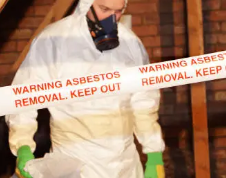
Asbestos Inspection in Adelaide’ The Essential First Step to Safe Renovations and Property Compliance
When it comes to renovating older homes or commercial buildings in Adelaide, safety and compliance should always be the top priority. One of the most crucial — yet often overlooked — steps before starting any construction or demolition work is an asbestos inspection. Many properties built before the late 1980s are likely to contain asbestos materials, and disturbing them without proper assessment can pose severe health risks and lead to legal consequences.
In this article, we’ll explore why asbestos inspection is a vital part of property management and renovation in Adelaide, what the process involves, and how it ensures both safety and compliance with Australian regulations.
Understanding Asbestos: Why Inspection Matters
Asbestos was widely used in Australian construction materials for decades due to its durability, fire resistance, and affordability. It can be found in roofing, wall sheeting, insulation, vinyl flooring, cement pipes, and even textured paints. However, when these materials are damaged or disturbed, asbestos fibres can become airborne — and inhaling them is linked to serious diseases such as asbestosis, lung cancer, and mesothelioma.
For property owners and renovators, this means that any project involving older buildings must begin with an asbestos inspection. It’s not just a precaution; it’s a legal and safety requirement. The inspection helps identify the presence, type, condition, and location of asbestos materials, allowing them to be managed or removed safely before any work begins.
Legal Obligations: Compliance Is Non-Negotiable
In Adelaide — and across South Australia — property owners, landlords, employers, and renovation contractors all have a legal duty to manage asbestos risks under the Work Health and Safety (WHS) Regulations 2012 (SA). These laws require that asbestos be identified and properly documented, especially in workplaces or rental properties built before 2004.
Failure to conduct a proper asbestos inspection before renovation or demolition can lead to:
- Heavy fines and legal penalties for non-compliance
- Work stoppages or project delays due to safety breaches
- Increased liability in the event of asbestos exposure claims
Hiring licensed professionals to perform an asbestos inspection ensures your property meets all regulatory requirements. It also provides documented evidence that you’ve taken the necessary steps to protect occupants, workers, and the wider community.
What Happens During an Asbestos Inspection?
A professional asbestos inspection is a systematic process designed to thoroughly assess your property for any asbestos-containing materials (ACMs). Here’s what it typically involves:
Initial Property Assessment
The inspection begins with a detailed visual survey. Certified asbestos assessors inspect building materials, fixtures, and structural elements to identify areas that are likely to contain asbestos.
Sample Collection and Laboratory Testing
Suspected materials are carefully sampled and sent to a National Association of Testing Authorities (NATA)-accredited laboratory for analysis. This confirms whether asbestos is present and identifies its type (e.g., chrysotile, amosite, or crocidolite).
Condition and Risk Assessment
Not all asbestos needs to be removed immediately. Inspectors assess the condition of the material and the associated risk. Materials in good condition and unlikely to be disturbed may simply require management and monitoring, whereas deteriorating or high-risk asbestos materials require removal by licensed professionals.
Asbestos Register and Management Plan
After the inspection, you’ll receive an asbestos register documenting the location, type, and condition of all ACMs. For workplaces and commercial properties, an asbestos management plan will also be developed, outlining how the asbestos will be monitored, sealed, or removed over time.
The Benefits of Early Asbestos Inspection
Conducting an asbestos inspection before starting renovations or demolitions offers numerous advantages beyond regulatory compliance.
Protecting Health and Safety
Most importantly, inspections prevent accidental exposure to asbestos fibres, safeguarding the health of workers, occupants, and future residents.
Avoiding Costly Delays
Discovering asbestos mid-renovation can halt work, increase costs, and require emergency remediation. A proactive inspection avoids these disruptions and ensures your project stays on schedule.
Improving Property Value and Marketability
Properties with a clear asbestos report or management plan are more attractive to buyers, tenants, and investors. They demonstrate that the property is well-maintained and compliant with safety standards.
Ensuring Peace of Mind
Knowing the exact condition and location of asbestos materials allows you to plan renovations confidently and responsibly, without hidden risks or surprises.
Conclusion:
Don’t take risks with asbestos. Before you lift a hammer or start demolition, schedule a comprehensive asbestos inspection with a licensed professional. It’s the smartest investment you can make in the safety, compliance, and long-term value of your property.
