Conference Rooms Adelaide: Tips for Choosing a Corporate Conference Room
In the fast-paced world of business, the efficiency and effectiveness of meetings can significantly impact productivity and outcomes. One crucial element that influences the success of meetings is the choice of the conference room. Corporate conference rooms serve as the backdrop for critical discussions, presentations, and decision-making processes. Choosing the right space involves considering several key factors that can enhance communication, collaboration, and overall meeting productivity.
1. Location and Accessibility
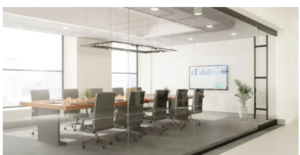 The first consideration when selecting a corporate conference room is its location and accessibility. Ideally, the room should be centrally located within the office premises or easily accessible to all meeting participants. It ensures that attendees can arrive promptly without wasting valuable time navigating through the office or commuting from different locations.
2. Size and Capacity
The size of the conference room should accommodate the expected number of participants comfortably. It should have enough space for everyone to move around freely, especially during larger meetings or presentations. Additionally, consider the flexibility of the room layout to accommodate different meeting formats, such as boardroom-style meetings, workshops, or presentations.
3. Technology and Connectivity
In today’s digital age, technology plays a crucial role in facilitating effective meetings. Ensure that the conference room is equipped with essential audiovisual equipment, such as projectors, screens, video conferencing tools, and high-speed internet connectivity. Compatibility with various devices and platforms ensures seamless presentations and communication during meetings.
4. Comfort and Ergonomics
Comfortable seating arrangements and ergonomic furniture contribute to a conducive meeting environment. Chairs should provide adequate support for long meetings, and the overall temperature and lighting in the room should be adjustable to suit the preferences of participants. A well-designed and comfortable environment can help keep attendees focused and engaged throughout the meeting.
5. Noise Levels and Privacy
Minimising distractions is essential for maintaining the focus and confidentiality of discussions during corporate meetings. Choose corporate conference rooms with adequate soundproofing or that are located away from high-traffic areas to reduce external noise.
6. Aesthetics and Ambiance
The ambience of the conference room can influence the mood and energy of meeting participants. Opt for a room with a professional and inviting atmosphere that reflects your company’s brand and culture. Consider factors such as decor, lighting, and overall aesthetics to create a pleasant and motivating environment for productive discussions and decision-making.
7. Accessibility to Amenities
Access to amenities such as catering services, refreshments, restrooms, and parking facilities can enhance the convenience and comfort of meeting participants. Ensure that the conference room is conveniently located near these amenities or has arrangements in place to meet the needs of attendees during breaks or longer meetings.
8. Cost and Budget Considerations
While choosing a corporate conference room, it’s essential to consider the associated costs and budget constraints. Evaluate rental fees, additional services, and any hidden costs to ensure that the chosen room aligns with your financial plans. Balance cost considerations with the quality and suitability of the conference room to achieve the best value for your investment.
9. Flexibility for Future Needs
Anticipate future needs and growth when selecting a conference room for corporate meetings. Choose a room that offers flexibility in terms of scalability and adaptability to accommodate changes in meeting requirements, team size, or technological advancements. A versatile conference room can support long-term business goals and evolving meeting dynamics.
10. Feedback and Continuous Improvement
Gather feedback from meeting participants to assess the effectiveness of the chosen conference room. Solicit input on factors such as comfort, technology, accessibility, and overall experience to identify areas for improvement. Use this feedback to continuously refine and optimise the selection process for future meetings, ensuring that corporate conference rooms consistently meet the needs and expectations of all stakeholders.
Conclusion
Choosing the right corporate conference room is a strategic decision that can enhance the efficiency, productivity, and outcomes of business meetings. By prioritising factors such as location, size, technology, comfort, and flexibility, organisations can create an ideal meeting space that fosters communication, collaboration, and innovation. Investing in the right conference room not only supports effective meetings but also contributes to a positive work environment and organisational success.
In summary, the selection of corporate conference rooms should be approached carefully, considering the specific needs and objectives of each meeting. By focusing on creating a conducive and functional environment, businesses can optimise the value and impact of their corporate gatherings.