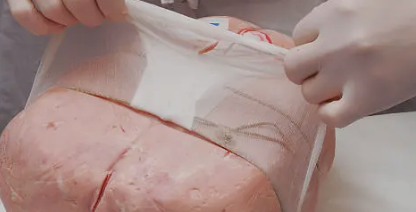
Stockinette Bags Australia’ A Complete Buying and Industry Use Guide
In Australia’s food production, agricultural, and packaging industries, stockinette bags play a quiet yet essential role in protecting, storing, and efficiently transporting goods. From meat processors in Victoria to produce wholesalers in Queensland, these flexible mesh sleeves are widely used to improve product handling, reduce waste, and maintain hygiene standards across supply chains.
Understanding how stockinette bags work, where they are used, and how to source the right type in Australia can help businesses improve operational efficiency while ensuring compliance with local food safety standards. This guide breaks down everything you need to know in a practical, industry-focused way.
What Are Stockinette Bags?
Stockinette bags are tubular mesh or knitted fabric sleeves designed to hold or wrap products securely while allowing airflow. They are typically made from cotton, polyester, or blended synthetic fibres, depending on their application.
In Australia, they are commonly used in food processing environments where breathability and flexibility are important. Their open-knit structure allows moisture to escape while still protecting the contents from external contamination or damage.
These bags come in various diameters, lengths, and tensile strengths, making them suitable for everything from small produce items to large meat cuts and industrial components.
Key Industries Using Stockinette Bags in Australia
Australia’s diverse primary production sector relies heavily on packaging solutions that balance durability and hygiene. One of the most prominent applications of stockinette bags is in the meat processing industry, where they are used to wrap ham, poultry, and other cured meats during storage and smoking processes.
In agriculture, they are widely used for packing onions, citrus fruits, and root vegetables, helping maintain ventilation and prevent premature spoilage. Seafood processors also use them for bundling products during cold storage and transport.
Even non-food industries, such as manufacturing and logistics, use stockinette bags for the protective wrapping of irregularly shaped components.
At this stage, it’s important to note that stockinette bags are especially valued in Australia due to strict biosecurity and food-handling standards that require packaging solutions that support cleanliness and traceability.
Benefits of Using Stockinette Bags
One of the primary advantages of stockinette bags is their breathability. Unlike sealed plastic packaging, they allow air circulation, helping reduce moisture buildup and extending product shelf life.
They are also highly flexible, conforming easily to irregular shapes without tearing or losing integrity. This makes them ideal for wrapping products that cannot be efficiently packed in rigid containers.
Another key benefit is cost-effectiveness. Compared to more complex packaging systems, stockinette materials are relatively inexpensive while still offering reliable performance across multiple uses.
Additionally, they are lightweight, which helps reduce transport costs—an important consideration for Australian exporters shipping goods across long domestic distances or overseas markets.
How to Choose the Right Supplier in Australia
Selecting a reliable supplier for packaging materials can significantly impact operational efficiency. When sourcing stockinette bags in Australia, businesses should consider material quality, consistency in weave density, and compliance with food-grade standards.
Suppliers should also be able to offer different sizing options and custom specifications to meet industry requirements. For example, meat processors may require heat-resistant variants, while agricultural users may prioritise UV-resistant materials for outdoor handling.
It is also important to evaluate supply reliability. Australian businesses often require bulk orders delivered on tight schedules, particularly during peak harvest or production seasons. Working with suppliers who maintain local stock can reduce delays and ensure continuity of supply.
Finally, certification and compliance with Australian food safety regulations should always be verified, especially for businesses in the food processing sector.
Sustainability and Compliance Considerations
Sustainability has become a major focus across Australian industries, and packaging materials are under increasing scrutiny. Many manufacturers now offer recyclable or biodegradable versions of stockinette materials to align with environmental goals.
Businesses using stockinette bags must also ensure compliance with HACCP (Hazard Analysis and Critical Control Points) principles, particularly in food handling environments. This includes ensuring that packaging materials do not introduce contaminants and are suitable for direct or indirect food contact where required.
Regulatory compliance is not just a legal requirement but also a market expectation, especially for exporters competing in international markets where sustainability standards are increasingly strict.
At this stage, stockinette bags continue to evolve as manufacturers develop more eco-conscious materials while maintaining the durability required for industrial use.
Storage and Handling Best Practices
Proper storage of stockinette bags ensures they maintain their structural integrity and hygiene standards before use. They should be stored in a dry, clean environment away from direct sunlight and moisture to prevent degradation.
Handling practices should also minimise contamination risks. In food processing environments, staff should use gloves and ensure bags are not exposed to unclean surfaces before use.
Labelling and inventory rotation are also important, particularly in large-scale operations in Australia, where stock turnover is frequent. Using a first-in-first-out (FIFO) system helps maintain consistency and reduces waste.
Conclusion
Stockinette bags remain a practical and widely used packaging solution across Australia’s food processing, agricultural, and industrial sectors. Their flexibility, breathability, and cost efficiency make them a reliable choice for businesses that require safe and effective product handling.
By understanding their applications, selecting appropriate suppliers, and following proper storage practices, Australian businesses can maximise the value these materials deliver while maintaining compliance with industry standards.


You May Also Like

Pool Installers Adelaide’ How to Choose the Right Team for Your Adelaide Backyard Project
Gas Fitters Adelaide’ Emergency Gas Leak Response and Certified Gas Safety Checks in Adelaide Homes