Therapy For Dogs With Hip Dysplasia: Effective Therapy for Dogs with Hip Dysplasia
Hip dysplasia is a common yet painful condition affecting many dogs and giant breeds. If your canine companion is struggling with mobility issues due to hip dysplasia, seeking effective therapy is essential to improve their quality of life. In Portland, OR, various treatment options are available to help manage pain, restore mobility, and enhance overall well-being. This article explores the best therapy for dogs with hip dysplasia in Portland, OR, highlighting treatment options, local resources, and expert recommendations. For more information about the therapy for dogs with hip dysplasia, click here.
Understanding Hip Dysplasia in Dogs
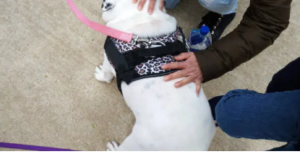 Hip dysplasia is a genetic condition that occurs when a dog’s hip joint does not fit properly into the hip socket. This misalignment causes joint instability, leading to pain, inflammation, and eventual arthritis. While genetics play a primary role, other contributing factors include rapid growth, obesity, and lack of proper exercise. Symptoms of hip dysplasia in dogs include:
- Difficulty standing or lying down
- Reluctance to run, jump, or climb stairs
- Limping or stiffness, especially after rest
- Reduced activity levels
- Noticeable pain when touched around the hip area
Early diagnosis and intervention are key to managing hip dysplasia effectively.
Best Therapy Options for Dogs with Hip Dysplasia
In Portland, Oregon, pet owners have access to several therapy options to help manage their dog’s hip dysplasia. These treatments aim to reduce pain, strengthen muscles, and improve joint function.
Physical Therapy & Canine Rehabilitation
Physical therapy is one of the most effective treatment methods for dogs with hip dysplasia. Certified canine rehabilitation specialists in Portland offer tailored programs to strengthen muscles, improve joint function, and enhance mobility.
Therapy may include:
- Range-of-motion exercises to maintain joint flexibility
- Strength-building workouts to support weakened joints
- Massage therapy to reduce stiffness and improve circulation
Local Portland-based rehab centres such as Oregon Animal Rehabilitation and Holistic Pet Vet Clinic offer specialised canine physical therapy programs.
Hydrotherapy for Dogs
Hydrotherapy is a non-weight-bearing exercise that allows dogs to move their joints with minimal pain. Underwater treadmills and swimming sessions help strengthen muscles and reduce stress on the hip joints. This form of therapy is highly beneficial for dogs with hip dysplasia, as it improves mobility without putting excess pressure on the affected joints.
Facilities like Paws Aquatic Water Therapy in Portland specialise in hydrotherapy sessions for dogs suffering from hip dysplasia and arthritis.
Laser Therapy and Acupuncture
Alternative therapies like laser therapy and acupuncture have gained popularity in managing hip dysplasia pain. Laser therapy uses low-level light to stimulate healing and reduce inflammation, while acupuncture involves inserting fine needles to promote circulation and relieve discomfort.
Portland pet owners can explore services at clinics such as the Holistic Veterinary Care and Pearl Animal Hospital, both of which offer advanced pain management solutions.
Weight Management & Nutrition
Maintaining a healthy weight is crucial for dogs with hip dysplasia, as excess weight places additional strain on the joints. A balanced diet rich in omega-3 fatty acids, glucosamine, and chondroitin can support joint health and reduce inflammation. Portland pet stores like Fang! Pet & Garden Supply and Sellwood Pet Supply offer specialised dog foods and supplements to promote joint wellness.
Assistive Devices and Home Modifications
To make life easier for dogs with hip dysplasia, pet owners can invest in assistive devices such as:
- Orthopedic dog beds for better joint support
- Ramps and stairs to reduce strain from jumping
- Support harnesses for improved mobility
Portland’s local stores and online retailers carry a variety of orthopedic pet products designed to improve comfort and ease of movement.
Conclusion:
Managing hip dysplasia in dogs requires a combination of therapies, including physical rehabilitation, hydrotherapy, weight management, and alternative treatments like acupuncture. Portland, OR, offers numerous resources for pet owners looking to enhance their dog’s quality of life. Whether through physical therapy sessions, specialised diets, or assistive devices, pet owners can find practical solutions tailored to their furry friend’s needs.