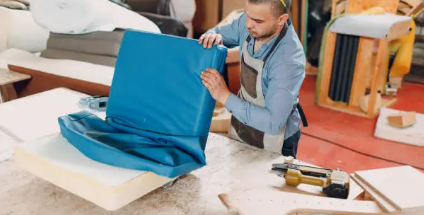
Upholsterers’ The Furniture Detectives Who Can Tell Your Home’s Story by What’s Hidden Under the Fabric
What if that battered armchair in your Adelaide home is not old furniture—but a piece of local history hiding in plain sight? Beneath faded fabric, flattened cushions, and decades of wear, upholsterers can sometimes uncover clues about how a piece was originally made, repaired, and cared for. The timber frame, springs, stitching, padding, and previous alterations can reveal far more than the furniture’s appearance suggests.
For homeowners in Adelaide, this creates an interesting dilemma. Should that inherited lounge be thrown away because it looks dated, or could it be worth restoring? The answer may depend on what lies underneath.
Professional upholstery is partly about aesthetics, but it is also about investigation. Before a skilled upholsterer reaches for new fabric, they may examine the furniture almost like a detective examining evidence.
What Your Furniture Is Hiding Beneath the Fabric
The visible upholstery is only one layer of a much larger construction. Remove it, and an entirely different story can emerge.
Older furniture may contain materials and construction methods that are rarely found in mass-produced pieces today. A chair that looks ordinary from the outside might have a solid timber frame, hand-tied springs, or carefully constructed joints, making it significantly more valuable to restore than replace.
● The frame reveals quality: Solid hardwood construction and well-maintained joints can indicate that a piece was built to last.
● The filling reveals its era: Horsehair, cotton, foam, and other materials can provide clues about when and how furniture was made.
● Previous repairs reveal its history: Extra stitching, replacement webbing, patched areas, or mismatched materials can show how a piece has evolved over the years.
This is where experienced upholsterers become furniture detectives. They can assess whether a tired-looking chair is structurally sound, identify areas that need attention, and decide which original elements to preserve.
For Adelaide homeowners with inherited furniture, antiques, or vintage pieces bought at local markets, an expert furniture assessment can prevent a potentially valuable item from being discarded simply because its exterior isn’t at its best.
The Chair That Looks Cheap May Be Better Than the Expensive Replacement
Modern furniture can be visually appealing, but price doesn’t always indicate how well it is constructed.
A relatively inexpensive contemporary sofa may rely heavily on manufactured components, while an older piece may have been designed for repair and longevity. That does not mean every vintage item is automatically superior. Age alone doesn’t guarantee quality.
The real question is what is underneath.
● Check structural integrity first: A strong frame can make restoration worthwhile, while extensive structural damage may change the project’s economics.
● Consider the replacement cost: Restoring a quality piece may be more practical than buying a similarly well-built new item.
● Think about sentimental value: A family chair may be irreplaceable regardless of its market value.
For example, imagine an Adelaide family inheriting a 1960s lounge suite from a grandparent. The fabric is faded, the cushions have collapsed, and the colour no longer suits the home’s interior. The easy solution is to replace it.
But after inspection, the timber frame is structurally sound. The springs can be repaired, the padding replaced, and the fabric updated. What initially looked like an outdated sofa becomes a personalised piece that combines family history with contemporary design.
That is the hidden value of restoration.
What Old Upholstery Can Tell You About a Home
Furniture does not exist in isolation. It often moves with families, follows them from house to house, and changes function over time.
An armchair may have started in a formal lounge room before moving into a children’s bedroom. A dining chair may have been recovered multiple times as interior styles changed. A sofa may carry evidence of pets, renovations, relocations, and generations of family gatherings.
In this sense, upholsterers can help preserve more than furniture. They can help preserve the physical objects that connect people to a home’s past.
● Fabric changes can mark different eras: Floral prints, textured velvets, geometric patterns, and neutral linens can reflect changing design preferences.
● Wear patterns can reveal how furniture was used: Faded sections, compressed cushions, and worn armrests can tell a story about where people sat and how often.
● Repairs can reveal changing priorities: A piece repeatedly repaired rather than replaced may have particular sentimental or practical importance to its owners.
This can be especially meaningful in Adelaide’s older suburbs, where established homes often hold furniture passed down with the property.
Rather than treating every outdated piece as clutter, homeowners can ask a more interesting question: “What story does this object carry, and is it worth keeping?”
The Restoration Decision Should Start With an Investigation
Not every piece of furniture deserves restoration. Some are too damaged, poorly constructed, or expensive to repair. Others may be ideal candidates for a second life.
The mistake is deciding based purely on appearance.
Before sending an old sofa to the tip or buying a replacement, consider getting a professional assessment. A qualified upholsterer can examine the frame, suspension system, padding, and fabric requirements before you commit to a full restoration.
● Photograph the furniture before work begins: Document labels, markings, construction details, and unusual features that may provide historical clues.
● Ask for a condition assessment: determine what can be retained, what must be replaced, and what the restoration process entails.
● Compare restoration with replacement: Consider durability, craftsmanship, sentimental value, and long-term use—not just the initial price.
The best restoration projects often begin with curiosity. You may discover that the furniture is better made than you assumed—or that an apparently ordinary piece has a personal history that makes it worth saving.
Look Beneath the Surface Before You Let It Go
The next time you see a faded chair, sagging sofa, or inherited dining suite in an Adelaide home, resist the temptation to judge it by its fabric alone. The surface may be tired, but the structure underneath could tell a completely different story.
Experienced upholsterers do more than replace worn-out coverings. They investigate construction, diagnose problems, uncover hidden craftsmanship, and help homeowners decide whether an old piece deserves another chapter.
Your next step is simple: choose the piece of furniture in your home you are most tempted to replace, and have it professionally assessed before you decide. You might discover that what looks like yesterday’s furniture is actually a well-built piece of your family’s story—one restoration away from becoming tomorrow’s heirloom.