Bale Wrap Successful Bale Wrap Use in Different Australian Regions
In the diverse agricultural landscape of Australia, bale wrap Australia has become an indispensable tool for farmers aiming to maximise forage quality and reduce waste. The term bale wrap Australia resonates strongly within the farming community, especially as climatic conditions and regional practices vary dramatically across the country. This case study explores how bale wrap has been successfully utilised in different Australian regions, highlighting specific challenges and benefits unique to each area.
Understanding Bale Wrap’s Role in Australian Farming
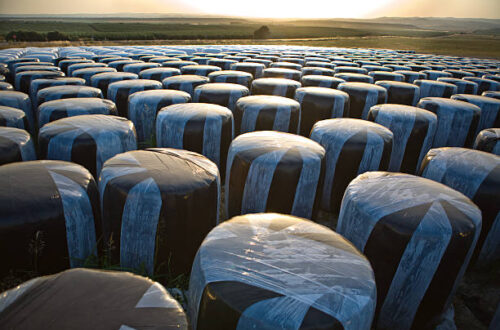
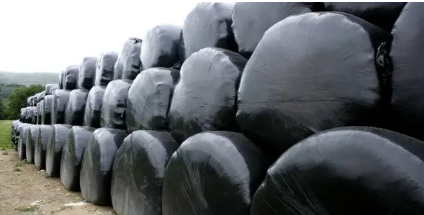
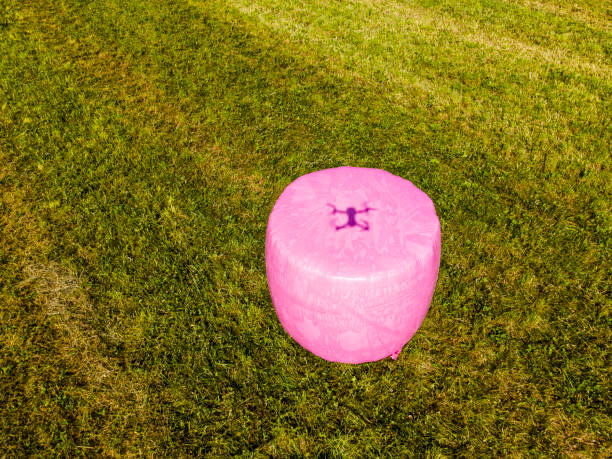
Bale wrap is a specialised plastic film used to encase hay or silage bales, sealing in moisture and nutrients while protecting the forage from spoilage. In Australia, where weather extremes range from humid subtropical in Queensland to Mediterranean in Western Australia, Bale Wrap Australia plays a critical role in ensuring feed quality year-round. Its usage has grown significantly due to increasing awareness of the economic losses associated with poor forage preservation.
Case Study 1: Queensland – Tackling Humidity with Bale Wrap
Queensland’s warm and often humid climate presents particular challenges for forage preservation. High humidity levels encourage mould growth and spoilage if hay or silage is not adequately protected. Farmers in this region have adopted bale wrap Australia to combat these issues with remarkable success.
At a cattle farm near Gympie, for example, the use of high-quality bale wrap has transformed forage management. The farmer reported that wrapped silage bales maintained their nutritional value for up to 12 months without noticeable spoilage—a significant improvement over previously stored unwrapped bales. The airtight seal created by bale wrap prevents oxygen ingress, effectively inhibiting mould and bacterial growth, which are common in Queensland’s moist conditions.
Moreover, bale wrap has allowed this farm to extend its feeding season, reducing reliance on purchased feed and cutting operational costs. The wrap also enables the farmer to produce consistent feed quality regardless of the season, supporting healthier livestock and improved productivity.
Case Study 2: Victoria – Managing Variable Weather with Bale Wrap
Victoria experiences a temperate climate with significant seasonal variation, including wet winters and dry summers. These fluctuations can complicate the timing of haymaking and storage. Here, Bale Wrap Australia has been instrumental in providing farmers with more flexibility and control.
A dairy farm located in the Gippsland region found bale wrap to be an essential component in preserving pasture quality for silage. Before adopting bale wrap, the farm struggled with moisture fluctuations that degraded hay quality during rainy spells. The adoption of bale wrap enabled them to harvest forage during optimal growth periods and store it securely despite unpredictable weather.
This farm’s experience highlights another benefit of bale wrap—the ability to store bales outdoors without quality loss. This eliminated the need for costly indoor storage facilities, which is particularly advantageous for smaller operations with limited infrastructure. The result was improved feed consistency and a noticeable increase in milk production due to higher-quality feed.
Case Study 3: Western Australia – Overcoming Drought with Bale Wrap
In Western Australia, drought and water scarcity are constant challenges for farmers. The preservation of forage during dry periods is critical to sustain livestock when pasture growth is limited. Bale wrap Australia has helped farmers mitigate the effects of drought by ensuring the longevity and nutritional retention of their stored feed.
A sheep grazing operation near Albany uses bale wrap to extend the usability of hay bales during extended dry seasons. By tightly sealing bales, the farm minimised dry matter losses and nutrient degradation that would typically occur in unwrapped forage. The airtight protection helped maintain moisture content at an optimal level, preventing excessive drying and leaf shatter—a common problem that reduces feed value.
This approach has enabled the farm to stockpile feed during wetter months and confidently rely on it during droughts, improving herd health and overall farm resilience.
Key Insights and Best Practices for Bale Wrap Use Across Australia
From these case studies, several common themes emerge:
- Climate Adaptation: Bale wrap’s airtight sealing capability effectively addresses regional climatic challenges, from humidity in Queensland to drought in Western Australia.
- Cost Efficiency: Using bale wrap reduces feed spoilage, minimising losses and lowering the need for supplementary feed purchases.
- Flexibility in Storage: Bale wrap allows outdoor storage of bales without compromising quality, an important factor for farms lacking indoor storage facilities.
- Improved Livestock Performance: Consistently high-quality forage translates to healthier animals and better productivity, whether in dairy, cattle, or sheep farming.
Conclusion: Bale Wrap Australia as a Game Changer for Regional Farming
The successful application of bale wrap across various Australian regions clearly demonstrates its vital role in modern agriculture. By tailoring bale wrap use to regional needs and climatic conditions, farmers can preserve forage quality, optimise feed resources, and enhance farm sustainability.
As awareness and technology improve, bale wrap Australia will continue to evolve, offering farmers innovative solutions to protect their investment and adapt to an ever-changing environment. This case study underscores the importance of regional knowledge combined with advanced bale wrap technology—a winning combination for Australian farmers.
If you’re looking to improve your forage management, understanding how bale wrap performs under different conditions across Australia is an essential first step toward smarter, more sustainable farming.