White Goods Adelaide: Enhancing Everyday Living
In today’s fast-paced world, where convenience and efficiency are paramount, white goods have become indispensable in enhancing our everyday lives in Adelaide and beyond. From the refrigerator that keeps our food fresh to the washing machine that ensures our clothes are clean, these essential household appliances, collectively known as white goods, play a crucial role in making daily tasks easier and more manageable. This comprehensive guide explores how white goods contribute to a better quality of life by focusing on their various benefits and functionalities.
Understanding White Goods
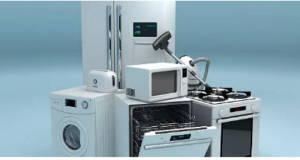 White goods refer to large home appliances that are typically finished in white enamel or stainless steel. These include refrigerators, washing machines, dryers, dishwashers, and ovens. The term “white goods” originated from the colour of these appliances, but today, they come in a variety of colours and finishes. Despite this evolution, the core purpose of white goods remains the same: to provide functionality and convenience in our daily lives.
Improved Efficiency and Convenience
One of the primary advantages of white goods is their ability to streamline household tasks. Modern appliances are designed with advanced technology that enhances efficiency and ease of use. For example, contemporary washing machines often feature multiple wash cycles, allowing users to select the appropriate setting for different types of laundry. Similarly, dishwashers come with various programs that handle everything from light-soiling to heavily soiled pots and pans. This level of convenience not only saves time but also reduces the physical effort required for household chores.
Energy and Water Efficiency
In recent years, there has been a significant push towards making white goods more energy and water-efficient. Appliances such as refrigerators, washing machines, and dishwashers are now equipped with energy-saving features and technologies that minimise resource consumption. For instance, many modern refrigerators use advanced insulation and cooling systems to reduce energy usage, while washing machines and dishwashers often come with eco-friendly settings that use less water and electricity. These improvements not only greatly contribute to lower utility bills but also help reduce the environmental impact of household activities.
Enhanced Food Storage and Preservation
Refrigerators and freezers, as fundamental white goods, are crucial for preserving food and preventing spoilage. Modern refrigerators come with various compartments and settings that significantly allow users to store different types of food at optimal temperatures. Features such as adjustable shelving, humidity-controlled drawers, and quick-chill functions ensure that food stays fresh for longer periods. Additionally, frost-free freezers eliminate the need for manual defrosting, making food storage more convenient and maintenance-free.
Advanced Cleaning Capabilities
White goods like washing machines and dishwashers have undergone significant advancements in cleaning technology. High-efficiency washing machines are designed to handle larger loads with less water and detergent, providing a thorough cleaning while being gentle on fabrics. Many models also include steam cleaning options that help remove stains and allergens. Dishwashers, on the other hand, offer powerful jets and specialised cycles to tackle tough grease and food residue, ensuring that dishes and utensils come out sparkling clean with minimal effort.
Improved Safety Features
Safety is a remarkably crucial consideration in the design of white goods. Modern appliances are equipped with various safety features to protect users and their homes. For example, washing machines often have child-lock functions to prevent accidental changes to settings or the opening of the door during operation. Many cooktops and ovens now come with automatic shut-off features that prevent overheating and reduce the risk of fires. These safety innovations contribute to a safer home environment and provide peace of mind.
Technological Integration
The integration of smart technology into white goods has revolutionised household management. Smart refrigerators, for example, can be connected to the internet, allowing users to monitor and control settings remotely. Washing machines and dryers with smart features can be programmed to run at specific times, and some models even offer diagnostic capabilities to identify and resolve issues. This technological integration enhances convenience and allows homeowners to manage their appliances more efficiently.
Conclusion
White goods have become an integral part of modern living in Adelaide, offering a range of benefits that enhance convenience, efficiency, and safety in our daily lives. From improving food preservation to providing advanced cleaning capabilities, these essential appliances contribute significantly to the quality of life. As technology continues to evolve, white goods are likely to offer even more features and improvements, making them an indispensable asset in every home. By investing in high-quality, energy-efficient, and technologically advanced white goods, homeowners can enjoy a more comfortable and sustainable living environment.
You May Also Like

Pool Installers Adelaide’ How to Choose the Right Team for Your Adelaide Backyard Project

Stockinette Bags Australia’ A Complete Buying and Industry Use Guide