Silage Wrap’ Choosing Film for Coastal vs. Inland Australian Climates
Producing quality fodder in Australia requires more than harvesting at the right moisture level. The material used to seal each bale can significantly affect how well it is protected during storage. Choosing the right silage wrap film means considering local weather, handling conditions and the risk of punctures or seal failure.
Coastal farms may face humid, salty, and windy conditions, while inland producers often contend with intense sunlight, dry heat, and large temperature fluctuations. Understanding these differences helps farmers choose a suitable film and support reliable fodder preservation from the paddock through to feeding.
Why Climate Matters When Choosing Silage Film
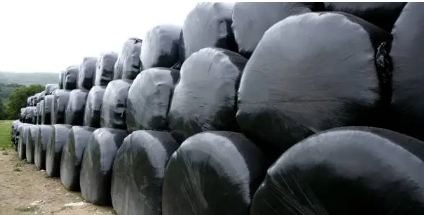
Silage depends on creating and maintaining an oxygen-limited environment around the bale. If the wrapping is damaged or does not seal properly, air can enter and compromise the stored fodder.
Australian conditions vary considerably between regions. A film that performs well in a sheltered inland storage area may not provide the same practical protection where bales are exposed to coastal winds, rough handling or prolonged outdoor storage.
When comparing silage wrap film products, consider:
● Local UV exposure and expected storage duration
● Wind and weather exposure
● Bale handling and transport requirements
● Puncture and tear resistance
● Film thickness and stretch characteristics
● Storage location and surface conditions
Choosing Film for Coastal Australian Farms
Coastal areas across Australia can present challenging storage conditions. Higher humidity, strong winds, and exposure to salt-laden air can increase the demands placed on agricultural equipment and stored materials.
In these environments, farmers should prioritise a high-puncture-resistance silage film where bales are likely to be handled frequently or come into contact with rough surfaces. Strong film can help reduce the risk of small tears becoming larger openings during transport or stacking.
UV performance is another consideration, particularly when wrapped bales must remain outdoors. Always check the manufacturer’s guidance for recommended storage conditions and the product’s expected service period.
Selecting Film for Inland Conditions
Inland Australian farms face a different combination of pressures. Hot, dry weather and high solar exposure can place significant demands on materials stored outside.
For inland operations, look for silage wrap film with strong UV resistance and reliable sealing. Bale wrapping practices also matter. Consistent overlap, correct tension and careful handling can help create an effective barrier around the bale.
Don’t Choose on Price Alone
Comparing silage stretch wrap prices helps manage farm costs, but the cheapest roll isn’t necessarily the most economical option.
Consider the film’s yield, stretch performance, puncture resistance and suitability for your climate. A product that reduces wrapping failures and protects more usable fodder may provide better overall value than a lower-priced film that is more vulnerable to damage.
Supporting Better Fodder Preservation
The right film is only one part of successful bale storage. Farmers should also inspect wrapped bales regularly and repair any visible damage according to the film manufacturer’s recommendations.
For better fodder preservation, aim to:
1. Wrap bales promptly under appropriate conditions.
2. Use the manufacturer’s recommended application settings.
3. Handle wrapped bales carefully to minimise punctures.
4. Store bales where exposure to avoidable damage is reduced.
5. Inspect stored bales for tears, holes or other visible problems.
These practices apply whether the farm is near the coast, in the tablelands, or across Australia’s inland agricultural regions.
Make the Right Silage Film Choice
The best silage wrap film depends on more than the price per roll. Coastal producers should consider wind, humidity, handling and outdoor exposure, while inland farms should pay particular attention to UV exposure, heat and storage conditions.
Before purchasing, compare technical specifications, manufacturer recommendations and silage stretch wrap price against the level of protection your operation requires. Choosing an agricultural film suited to your local climate can help protect valuable fodder and reduce avoidable storage losses.
Talk to an agricultural film supplier about your region, bale-handling practices, and storage conditions before selecting your next silage wrap product.
—
Frequently Asked Questions
1. What is silage wrap film used for?
Silage wrap film seals wrapped bales to help create the oxygen-limited conditions needed for effective silage storage and fodder preservation.
2. Is coastal weather a concern for silage film?
Yes. Coastal farms may experience strong winds, humidity, salt exposure and challenging outdoor storage conditions, making film durability and UV performance important considerations.
3. What is high puncture resistance silage film?
It is film designed to better withstand punctures and tears during bale handling, transport and storage. This can be particularly useful where bales are handled frequently.
4. How should I compare silage stretch wrap price?
Compare the price against film yield, stretch characteristics, strength, UV performance, and suitability for your storage conditions, rather than considering the purchase price alone.
5. How can farmers improve fodder preservation?
Use suitable film, apply it according to the manufacturer’s instructions, handle wrapped bales carefully and regularly check stored bales for visible damage.