What Are the Different Types of Baler Twine?
Baler twine is made from several different types of fibres. Some of these include Sisal and Synthetic. These types of fibres also have different colours and strengths. Therefore, knowing how these materials will work in your application is essential.
Synthetic
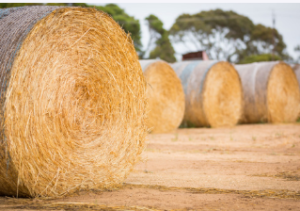 Synthetic baler twine is used to bind large amounts of fibrous material. For example, it is often used to tie up hay or straw. These synthetic twines can be made of many materials, including polypropylene, sisal and natural fibres.
Natural twine is composed of plant fibres, mostly sisal. This type of twine is durable and biodegradable. However, some hay producers are concerned that natural cords may rot too quickly.
Polypropylene twine is a more robust option for tying hay bales. It is UV stabilized and resists rot. Also, its high strength makes it ideal for binding stems of grape vines and tomatoes.
A third-generation family-owned company, Cordex, produces synthetic baler twine. The firm specializes in crop baling supplies. They also manufacture silage film, baler string wrappers and baler netting.
Sisal
If you’re into the agricultural industry, you’ve probably heard of baling twine. The sisal fibre used in the baling process is a natural and renewable source of fibre that is durable and biodegradable. However, it’s not just the fibre that makes it the best choice for a farmer’s bagging equipment. Its strength is also a key attribute.
A few examples of its best features are its ability to resist rot, mildew and insects. There are several varieties of the stuff, and each is slightly different. For example, some are made with a higher tensile strength than others. It allows them to last longer. Likewise, the ominous means it affixes the bales varies based on the manufacturer and the model.
In addition to its primary function of binding hay, the sisal fibre is also used in rugs, boating, and marine applications. Several companies manufacture these types of products. They are available in different colours to suit specific uses.
Colours
Baler twine binds fibrous material like hay, straw or cereal crops. It can be made from natural fibre, sisal or plastic polymers.
The use of baler twine has evolved with the development of the baling industry. Today, it is an essential ingredient on a farm. In addition, several companies manufacture baling cords. One of the most well-known manufacturers is Reyenvas, a Spanish company.
Baling twine can be coloured in a variety of colours. These colours allow users to identify the type of bale being created quickly. Stains also make it easier to store and process bales. Polypropylene, a plastic polymer, is the primary raw material for baler twine. The material is robust, durable and resistant to most chemicals. It is also environmentally friendly.
Strengths
Baler twines are made from plastic polymers. These polymers provide softness, resistance, and flexibility. In addition, they are safer than natural fibres.
A wide variety of plastic baler twines are available. Each type has its strengths. Therefore, it is essential to choose the right one. With the right power, you can be assured that your baler can handle large bales.
When choosing a baler twine, you should look at its tensile strength, knotting strength, and elongation at breakage. Also, ensure that it is UV protected. The latter will prevent it from degrading prematurely.
Depending on your needs, you can choose from different colours. However, black is the most durable colour. Polypropylene is the main ingredient in baler twines. It has excellent resistance to organic solvents, chemicals, and most acids.
Applications
Baler twine is a plastic polymer twine with high strength, UV protection and softness. It is used in the baling process to form square or round bales. The bales are then packed and transported. For example, twine is often used in packing cereal crops such as corn and wheat.
Agricultural balers use various technologies to apply the twine. One technique involves placing the string in a discontinuous manner around the bale. It prevents the cord from unravelling once the bale is cut. An alternative to this method is to wrap the twine with a continuous helical configuration.
Another technique uses the sensor to measure the length of the twine applied to the bale. This information can be utilized by the central processing unit (CPU) to calculate the number of rotations per minute the string is being driven.